Function Physiotherapy - Physiotherapy Ottawa
  • Home
  • ABOUT
    • About us
    • Meet The Team
    • Pricing
    • Careers
  • OUR SERVICES
    • Physiotherapy Services
    • Manual Therapy
    • Acupuncture
    • Concussions
    • Dry Needling
    • Jaw Pain (TMJ)
    • Laser Therapy
    • Pediatrics
    • Pelvic Floor Physiotherapy
    • Running Assessment
    • Shockwave Therapy
    • Vestibular/Vertigo Therapy
  • CONDITIONS TREATED
    • Overview
    • BPPV
    • Golfer's Elbow
    • Pediatric Torticollis
    • Plantar Fasciitis
    • Tennis Elbow
    • Vestibular Neuritis
    • Rotator cuff
    • Sciatica
  • BOOK NOW
    • Schedule Assessment
    • Online Booking
  • CONTACT

Shockwave Therapy

What is Shockwave Therapy?

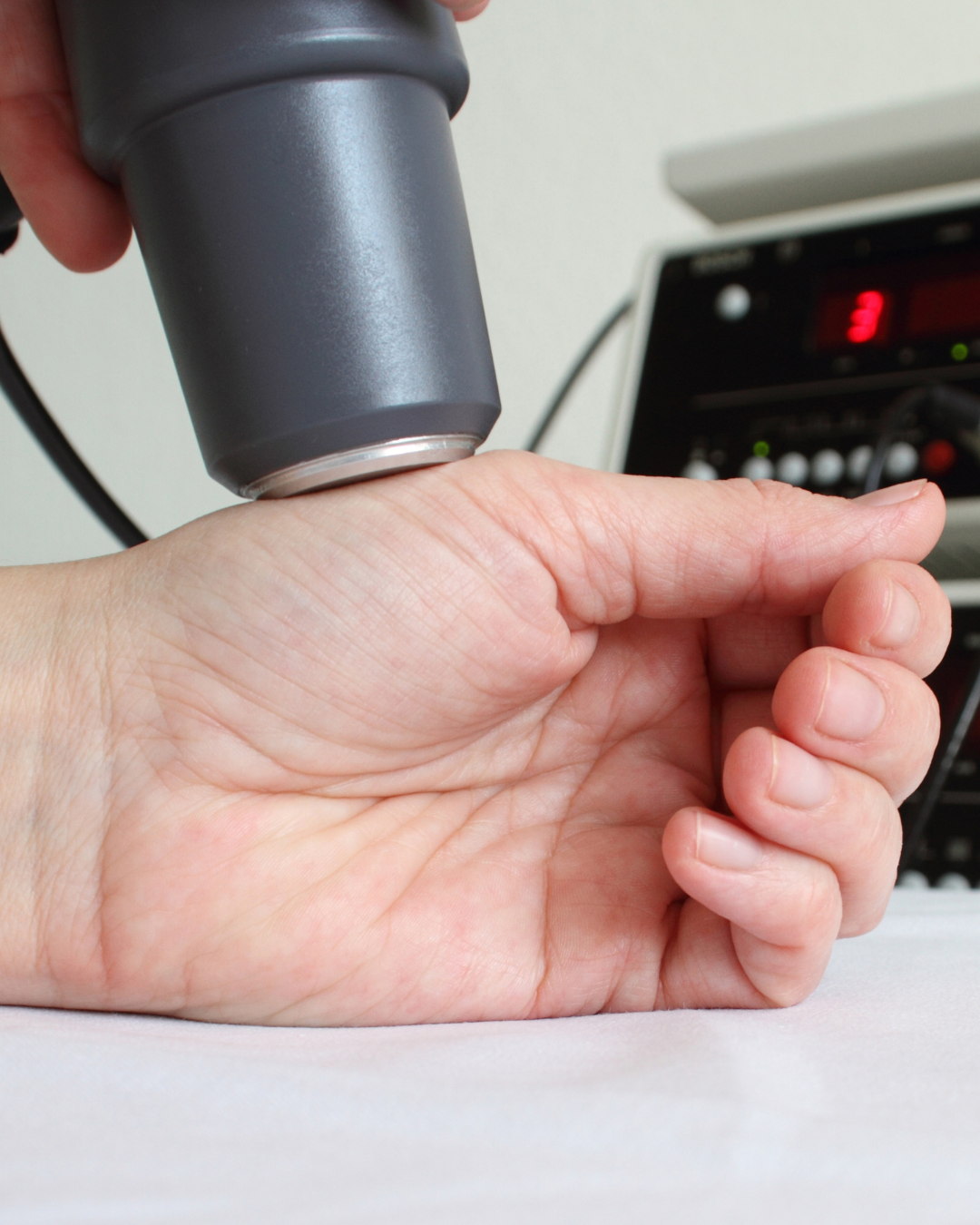
Shockwave Therapy (SWT), also known as Extracorporeal Shockwave Therapy (ESWT), is a non-invasive approach that involves applying a rapid succession of low-energy pulses through the skin to an area of concern using an applicator.
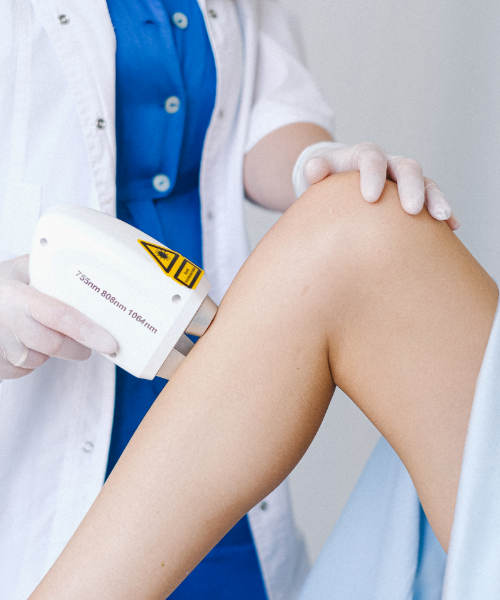
shockwave therapy device on leg

How does Shockwave Therapy work?

When applied, Shockwave Therapy stimulates an inflammatory response. This is the body’s natural healing response and is used to heal an injury or chronic pain. Due to this response, you may experience slight discomfort, soreness, or tenderness for a few hours to a couple of days following your treatments.

The projectile in the Shockwave applicator is repeatedly compressed by air, transmitting a resulting wave of pressure to the tissue. This wave creates a sudden increase in pressure, followed by what’s known as a cavitation bubble. When this bubble of negative pressure collapses, it produces a force that can support tissue function, mobility, and pain relief.

What does Shockwave Therapy help with?

Shockwave Therapy is used in physiotherapy settings to support various musculoskeletal concerns, often involving connective tissues such as ligaments and tendons. It may be helpful for situations that haven’t responded well to traditional forms of care.

Please note: Shockwave Therapy may not be appropriate for everyone. Your physiotherapist will discuss whether this approach is suitable for you.
shockwave therapy on hand
orange addition symbol

Shockwave Therapy Benefits

Shockwave Therapy may offer several potential benefits, including
Supporting new tissue responses

Reducing long-standing tension or sensitivity
​
Encouraging healthy collagen activity

Assisting with areas of stiffness or tightness
​
Helping release localized points of tension

Supporting comfort in weight-bearing area
orange symbol of man holding shoulder

Areas to target

Shockwave Therapy may be recommended to support comfort and mobility in areas such as:
Feet (Plantar fasciitis, Heel spurs, Achilles tendinopathy/tendonitis, Morton’s Neuroma)

Knees (Jumper’s knee/patellar tendinopathy)

Hips and Legs (Bursitis, Shin splints, ITB friction syndrome, Tendinopathies)

Shoulders (Calcific tendinopathy, Frozen shoulder)

Elbows (Tennis elbow (lateral epicondylitis), Golfer’s elbow (medial epicondylitis))

Dupuytren's contracture

​​Chronic stress/non-union fractures​​

And more

Frequently asked questions

IS SHOCKWAVE THERAPY PAINFUL?
Shockwave Therapy can cause some temporary discomfort in the area it is applied to. This may vary depending on the area, your baseline comfort levels, and the intensity being used. Sessions typically last around 5 minutes, and many people find the sensation manageable. The intensity can be adjusted to help maintain comfort.
HOW MANY TREATMENTS ARE NEEDED?
The number of sessions can vary depending on your goals and how your body responds. Some people notice changes early on, while others may require several sessions. Your physiotherapist will discuss an approach that suits your needs.
WILL THERE BE DISCOMFORT AFTER THE SESSION?
Some individuals feel temporary soreness in the area afterward, which generally settles within a short period. Others notice a change in comfort right after the session. Experiences vary from person to person.
HOW FREQUENTLY DO I NEED SESSIONS?
Since responses are cumulative, sessions are often scheduled 3 to 10 days apart. Your physiotherapist will recommend a frequency based on your comfort and progress.
ARE THERE ANY RESTRICTIONS OR LIMITATIONS AFTER sessions?
It’s recommended to reduce physical activities involving the area for about 2–3 days after a session. Your physiotherapist can guide you based on how the area responds and how you’re feeling afterward.

Feel the difference Function Physiotherapy has to offer.

Book Online
Picture
613-680-6505
​
[email protected]

Book online
Please note we are currently not accepting WSIB cases.
We are proud to be a bilingual, inclusive clinic.
Picture
Hours of Operation
Mon-Thur:  7:30am - 7:30pm
Fri: 7:30am - 6:00pm
Sat/Sun:  Closed
1185 Bank Street
​Ottawa ON
K1S 3X7

Expert care in the Glebe & Ottawa South.
Free parking available!
Get directions
    Sign up for the FXNewsletter for the latest clinic updates and offerings.
Subscribe!
Picture
  • Home
  • ABOUT
    • About us
    • Meet The Team
    • Pricing
    • Careers
  • OUR SERVICES
    • Physiotherapy Services
    • Manual Therapy
    • Acupuncture
    • Concussions
    • Dry Needling
    • Jaw Pain (TMJ)
    • Laser Therapy
    • Pediatrics
    • Pelvic Floor Physiotherapy
    • Running Assessment
    • Shockwave Therapy
    • Vestibular/Vertigo Therapy
  • CONDITIONS TREATED
    • Overview
    • BPPV
    • Golfer's Elbow
    • Pediatric Torticollis
    • Plantar Fasciitis
    • Tennis Elbow
    • Vestibular Neuritis
    • Rotator cuff
    • Sciatica
  • BOOK NOW
    • Schedule Assessment
    • Online Booking
  • CONTACT