 Smartwatches and fitness trackers have had a surge in popularity over the past few years. Since then, companies have been fighting to develop new features to make theirs the most innovative and sought after. The latest models come with a plethora of features, but how do you figure out which one is best for you? What’s more, the ones with the most features can also feature a hefty price tag. If you’re thinking of making the jump to a smartwatch, here are a few things to consider before making a big purchase.
Most smartwatches feature some sort of basic activity tracking (steps, heart rate monitor, calories burned, etc.), which are likely to fit most people’s needs. However, if you’re looking to track activity for a specific sport/hobby (i.e. running, swimming,) you’ll need to look into some specific features. This is where dedicated fitness trackers come in: they may have features that more basic smartwatches may not have in addition to generally being more specific or precise when it comes to those features. Let’s have a look at what kind of features might be useful for you:
2 Comments
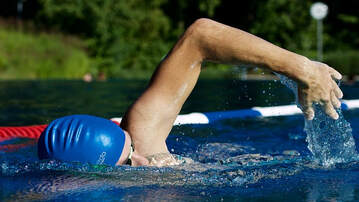 Swimming has been revered as a great form of cardiovascular exercise, since it recruits multiple different muscle groups at once. However, it is also an exercise that involves of repetitive motions, especially of the shoulders. The shoulders, one of the most mobile joints in the body, are particularly subject to strain during swimming. As a consequence, swimmers are at a high risk of shoulder injuries – leading to the frequently used term “swimmer’s shoulder”.
Chances are you’ve heard of the “rotator cuff” before. “Swimmer’s shoulder” is commonly used to refer to an injury to one of the tendons of the rotator cuff. Many factors can cause an injury to one of these tendons: tight muscles, hypermobility of the shoulder, or even a poor swimming technique. While a “swimmer’s shoulder” injury can heal with time, it’s important to treat the root cause of the injury before going back to swimming, otherwise you may be just as likely to re-injure your shoulder. As physiotherapists, we have experience in treating a wide variety of shoulder injuries. Our experience allows us to pinpoint specific issues that can put you at risk of developing such an injury. If you’re not quite ready to see a physiotherapist or unsure if you need to, here are a few things to think of or try on your own beforehand:  It’s quite likely you’ve heard the saying “sitting is the new smoking”. This interesting concept, that’s made some notable headlines like the Globe and Mail and Forbes magazine, has been a popular subject the past few years. While it’s generally good advice, there are many other factors that can come into play.
The underlying principle is that prolonged periods of sitting decreases your energy expenditure (burning fewer calories throughout the day) which over time can have various consequences, similar to those associated to smoking. If you’re one of many who sits for long periods of time on a daily basis (sitting for several hours at a time for a total of more than 8 hours a day), research has shown that you may be at higher risk of developing conditions such as high blood pressure, diabetes, and obesity, amongst other. (1). This is in addition to the increased risk of developing back and neck pain, as well as general stiffness. Various strategies have been proposed to counter these risks, such as using a standing desk at work, taking regular breaks to get up from your desk, or even exercising more outside of work. Let’s take a minute to discuss how each of these strategies could benefit you.  Smartphone use is now more prominent than ever in our daily lives, especially amongst teens and young adults. According to a recent report, the average adult spent 3.5 hours on handheld devices (smartphones, tablets) daily. What’s worse, that trend is expected to increase even more in the next few years.
As you might have guessed, spending so much time on our phones puts excessive stress on our necks, as we tend to tilt our head forward and down to look at our device. A 2015 study lays out the degree to which this happens: when our head is directly on top of the shoulders, it puts 10 to 12 lbs on the neck, but when we tilt our heads down just 15 degrees, it increases to 27 lbs, and can even reach 60 lbs when tilting down 60 degrees. Spending hours upon hours in that position applies constant strain and can lead to various neck and shoulder pains now commonly referred to as “text neck”. What’s even more alarming is that many of those conditions, if untreated, can become chronic and follow you for some time. Luckily, there are things you can do to alleviate, or even proactively prevent developing “text neck” pains. Here are just a few suggestions: 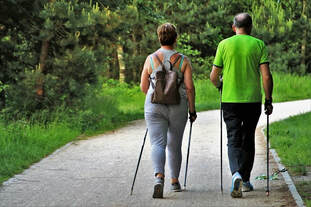 We sometimes hear people saying that they are “too old” to start exercising. After all, some believe it’s common knowledge that we “can’t build muscle” as easily as we get older. While there may be some truth to that notion, it is far from an excuse to not partake in regular exercise. Let’s dive in deeper and explain:
As we near our 70s and 80s, it generally becomes harder to accomplish day to day tasks. Taking on an exercise program focused on functional tasks can help maintain or improve our independence through our everyday life. Furthermore, there are even more benefits to engaging in regular exercise as we age, such as:
One barrier to exercise is that we might get the wrong idea that exercise needs to be something very exhaustive when in fact, you might already be doing activities that count towards your weekly exercise goals. These might include walking, gardening, mowing the lawn, or shovelling snow. More intense exercise can include fast or Nordic walking and water aerobics, among other options. In the end, the best exercise is one that you enjoy doing and motivates you to move. With that in mind, we hope see you exercising well into your retirement. If you have questions or would like to improve your ability to accomplish day to day activities, give us a call and book an appointment with one of our physiotherapists!  Many people have suffered from knee pain at least once in their life, while some suffer more frequently from knee osteoarthritis (OA). In an attempt to prevent faster knee degeneration, many people mistakenly avoid high impact activities for their knees - most frequently running. Interestingly, however, running may in fact have quite the opposite effect on our knees. The repeated impact on our knees while running has actually been found to be beneficial! Repeated stress applied to the bones and cartilage in the knee (such as with running) creates tiny micro-tears, to which our body naturally responds by strengthening and solidifying our tissues. Research has demonstrated that recreational running decreases the risk of developing osteoarthritis of the knees and hips (1). However, the jury is still out on the effects of running for those already afflicted by osteoarthritis, . While it was previously thought that running may worsen symptoms, a recent research study suggests the opposite (2). While this may be good news for arthritis-afflicted runners, further research is needed. So with this wave of beautiful weather approaching, we hope that you’ll be encouraged to take up running this year! If you ran the previous years, take a minute to read our post about getting back in the swing of things this summer without injuring yourself. References:
1. The Association of Recreational and Competitive Running With Hip and Knee Osteoarthritis: A Systematic Review and Meta-analysis. Eduard Alentorn-Geli, Kristian Samuelsson, Volker Musahl, Cynthia L. Green, Mohit Bhandari, and Jón Karlsson. Journal of Orthopaedic & Sports Physical Therapy (2017) 47:6, 373-3902. 2. Running does not increase symptoms or structural progression in people with knee osteoarthritis: data from the osteoarthritis initiative. Lo, G.H., Musa, S.M., Driban, J.B. et al. Clin Rheumatol (2018) 37: 2497. https://doi.org/10.1007/s10067-018-4121-3  March 15th is World Sleep Day! Who doesn’t like to sleep in on the weekend? Or wish they had an extra hour or two to sleep in Monday morning? Chances are, you’re more than familiar with those feelings, as most of us are. This is why it’s so important to discuss the impact of proper sleeping habits on our general health.
As health professionals, physiotherapists constantly promote better sleep habits to our clients, as it plays an incredibly important role in injury recovery and pain levels. Andrew Koppejan, a registered physiotherapist in Alberta, even wrote a book about the impacts of sleep and how to integrate it in our practice. A few points from his book that may surprise some:
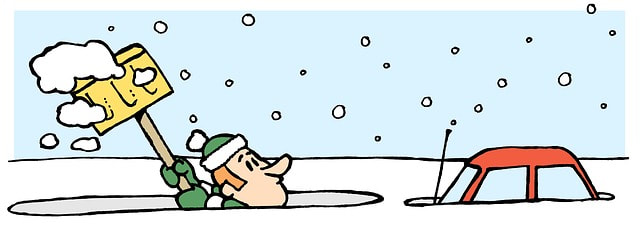
Poor sleep negatively impacts the symptoms of inflammatory diseases (such as rheumatoid arthritis). With those in mind, why not take a moment to think about our own sleeping habits? There is no better time to tackle this than today on World Sleep Day! Here are a few tips to get you started.  We’ve all seen more than our fair share of snow these last couples of weeks. As a consequence of all that snow, as physiotherapists, we’ve also seen our fair share back and shoulder injuries resulting from shoveling. Here are a few quick tips to make sure you get through this deluge of snow free from injuries:
  Today we're debunking 6 common misconceived notions about physiotherapy. Check them out below and get the real facts!
Knowing you're doing the right exercise for whatever muscle group your trying to target is important! Otherwise, you could be wasting your time or possibly causing yourself further problems or injuries. If you're looking to get your glutes firing, or looking to get those quads and hamstrings beefed up, check out this picture to see what exercises are best at targeting the knee versus the hip. 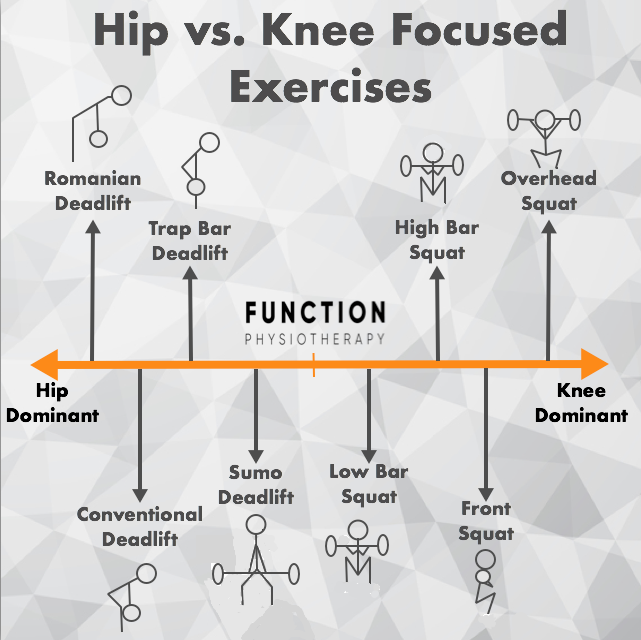 |


 RSS Feed

We are proud to be a bilingual, inclusive clinic.

|
Hours of Operation
Mon-Thur: 7:30am - 7:30pm Fri: 7:30am - 6:00pm Sat/Sun: Closed 1185 Bank Street
Ottawa ON K1S 3X7 Expert care in the Glebe & Ottawa South. Free parking available! |
|

